
Care assistant night shifts involve providing direct support to people with care needs during overnight hours, with an emphasis on monitoring, personal care, and maintaining a safe environment. Night work typically requires adapting daytime routines to a quieter setting, attending to medication schedules, assisting with toileting and mobility, observing changes in condition, and documenting notable events. The role often includes balancing proactive checks with respecting sleep and rest, while ensuring that any emerging needs are identified and communicated to on-call clinical staff or daytime teams. Night shifts may occur in residential care homes, assisted living settings, hospice environments, or private domiciliary care arrangements.
During a night shift, routines often center on structured handovers, regular observation rounds, and the use of tools to record events and risks. Care assistants may rely on written or electronic handover notes, basic vital sign checks where trained, and agreed protocols for escalation if a person’s condition changes. Tasks are typically sequenced to minimize unnecessary disturbance while meeting essential needs; for example, combining medication rounds with scheduled checks or repositioning. Night work can require situational awareness for environmental hazards, effective communication with colleagues on different shifts, and accurate documentation that informs subsequent daytime care planning.
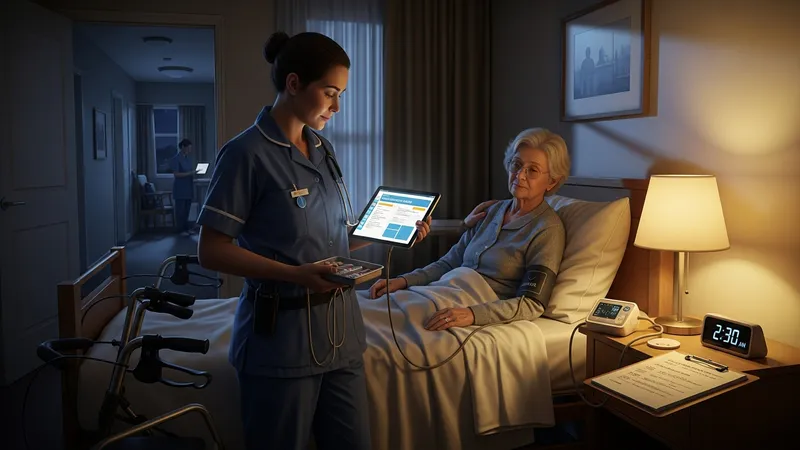
Night shift work differs from daytime care in the pattern and pacing of activity. Overnight, there may be fewer staff and a higher need to prioritize duties; routine checks can be spaced to reduce sleep disturbance, yet must be frequent enough to detect deterioration. Some settings use risk stratification to set check frequencies, where residents with higher risk profiles receive more frequent rounds. Equipment such as bed sensors or low-level lighting may be used to reduce falls or facilitate safe transfers. Staffing arrangements and local policies typically determine the scope of tasks a care assistant may perform independently versus those requiring clinical oversight.
Risk management on night shifts focuses on preventing falls, avoiding adverse events, and ensuring timely escalation when needed. Common preventive measures include environmental checks for trip hazards, securing loose rugs or cords, ensuring assistive devices are within reach, and confirming that call systems are functioning. Documentation of any change or near-miss is important for continuity and for informing adjustments to care plans. Training in manual handling and safe use of equipment may be scheduled to address night-specific risks; these trainings often emphasize practical steps that can be applied during quieter hours to reduce harm.
Communication and documentation practices during the night may rely on both concise written notes and brief verbal handovers to the incoming team. Effective handovers typically summarize current status, recent events, pending actions, and any anticipated risks for the next shift. Electronic reporting tools can provide timestamps and structured fields that reduce ambiguity; however, written notes remain common in many settings. Records made overnight are used by clinical staff and managers to review incidents, adjust monitoring schedules, and update individual care plans. Confidentiality and accuracy are central, and entries may be reviewed during routine audits or supervision.
Supporting people overnight commonly involves a mix of personal care tasks, mobility assistance, comfort measures, and observation. Tasks often include toileting support, repositioning to reduce pressure injury risk, offering fluids where appropriate, and providing reassurance for anxiety or disorientation. Non-pharmacological approaches to sleep disturbance can be part of routine care, such as gentle lighting, reduced noise, and calming communication. Assistive devices like transfer belts, slide sheets, or bed rails may be used according to risk assessments and care plans. Staff should follow local protocols when intervening and record any changes observed for ongoing assessment.
In summary, night-shift care assistant work centers on maintaining safety, continuity, and comfort during overnight hours through structured routines, observation, and clear documentation. Practical examples include using standardized handover checklists, night observation protocols, and digital reporting tools to support consistent practice. These approaches may reduce communication gaps and inform daytime care planning. The next sections examine practical components and considerations in more detail.
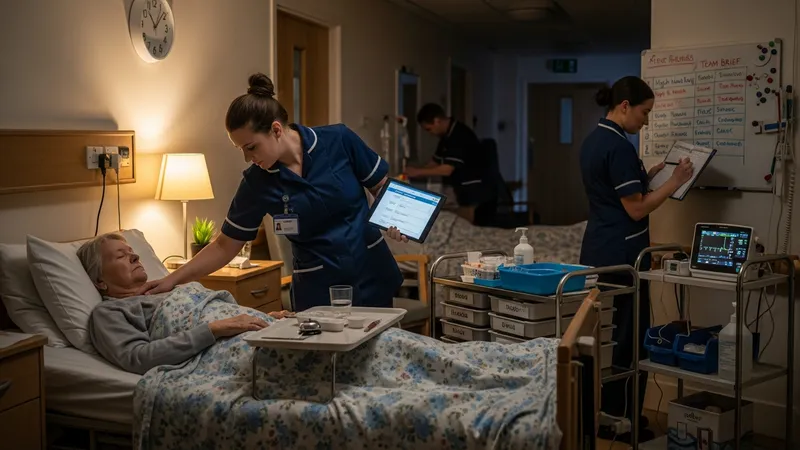
Routines for night shifts are often organized to balance essential monitoring with opportunities for uninterrupted sleep. Typical sequencing may begin with an initial walk-round to confirm safety, followed by medication or predictable care tasks timed to individual schedules, and then scheduled observation rounds at agreed intervals. Prioritization is frequently guided by individual risk assessments and care plans, which can specify times for repositioning, toileting assistance, or vital sign checks where applicable. Combining related tasks during one visit can reduce repeated awakenings; for example, combining a comfort check with a brief repositioning and a quick environmental safety review.
Staffing levels during nights can affect how tasks are scheduled, and many settings use a team brief at shift start to allocate responsibilities. Briefs commonly identify residents with higher needs and assign specific check frequencies. Where electronic shift logs are used, task lists and timestamps can help managers monitor coverage without disrupting care. Practical considerations include ensuring necessary equipment and supplies are accessible, and that communication lines to on-call clinical staff are known. Adjustments to the routine may be needed when a person’s condition changes, and such changes are typically documented and communicated to daytime teams.
Some facilities implement staggered rounds to ensure coverage while minimizing noise and disturbance. For residents who may wander or experience nocturnal restlessness, scheduled engagement or orientation checks can reduce unsupervised movement and potential falls. Portable lighting and low-stimulus approaches during checks are often used to help preserve sleep cycles. Night assistants may also need to coordinate with external on-call services when clinical issues arise, following escalation pathways defined in local policies. These routines aim to ensure safety while acknowledging the restorative purpose of nighttime.
Considerations for sequencing tasks include personalising routines to individual preferences and established care plans. Documentation from previous shifts may indicate preferred sleeping positions, known triggers for agitation, or effective calming strategies. Where possible, care assistants may follow these preferences to maintain continuity. Shift sequencing can also incorporate time for equipment checks and restocking to avoid interruptions later in the shift. Overall, task sequencing during night shifts typically seeks to optimize safety, respond to needs promptly, and reduce unnecessary interruptions to sleep.
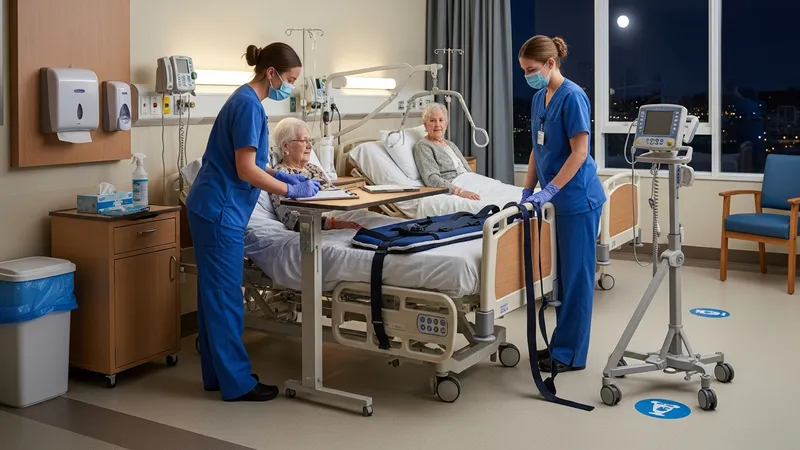
Safety practices overnight emphasize fall prevention, safe manual handling, and maintaining hygienic conditions with fewer staff present. Night-specific measures may include ensuring call systems are operational, keeping pathways clear, using bed and chair alarms where indicated, and positioning assistive devices within easy reach. Infection control measures, such as hand hygiene, correct disposal of single-use items, and surface cleaning, remain important during night shifts and often follow the same standards as daytime care. Staff may perform spot checks on cleaning logs and confirm that personal protective equipment is available for anticipated tasks.
Risk assessment processes are typically used to determine the level of monitoring required for individuals and to set observation frequencies. For example, residents with recent falls, incontinence issues, or cognitive impairment may have more frequent checks specified in their care plans. Assistive equipment such as transfer belts or mechanical lifts should be available and inspected for night use; care assistants often check equipment readiness at shift start. Training in safe handling techniques and infection control protocols can help reduce adverse events during overnight care, and refresher sessions may be scheduled to maintain competence.
Infection control at night can be challenged by limited housekeeping coverage and reduced on-site clinical staff, so practical steps may be taken by care assistants to reduce transmission risks. These steps include using disposable gloves for appropriate tasks, performing hand hygiene between interactions, managing soiled linens according to policy, and isolating or escalating suspected infectious issues as required by local protocols. Documentation of any infection-related observations should be clear to inform subsequent cleaning schedules and clinical assessments during the day.
Considerations for maintaining safety also include environmental adaptations that are effective overnight, such as low-level lighting, clear signage, and non-slip flooring near beds and bathrooms. Staff may be encouraged to document near-misses and incidents to allow quality reviews that inform adjustments to night procedures. Such reviews can result in updated checklists or revised observation protocols, which are intended to reduce recurrence. These measures typically form part of a broader safety plan that spans night and day operations.

Effective communication during night shifts centers on concise, accurate documentation and clear handovers to incoming staff. Handover checklists are often used to standardise what is conveyed, including current risks, medications administered, recent observations, and any incidents. Documentation may be recorded in paper shift logs or in electronic systems that timestamp entries. Clear records assist daytime clinical teams and managers in reviewing overnight events and in updating care plans. Maintaining confidentiality and following data protection practices remain important when recording or transferring information between shifts.
Night-to-day handovers typically cover outstanding tasks, changes in condition, and pending actions that require follow-up. Structured handovers can reduce omissions and ensure continuity of care; common approaches use brief, standardised formats to capture essential details. Electronic reporting tools can provide searchable records and support audit trails, but they may require training and reliable connectivity. Where such tools are not available, legible written notes and verbal summaries at shift change often serve as the primary means of transferring information.
Incident reporting processes at night should be accessible and clear, enabling staff to record events even when managers are off-site. Reports may trigger reviews or changes to monitoring schedules. Care assistants are typically advised to document objective observations and the times actions were taken, avoiding speculative statements. Maintaining a factual record helps multidisciplinary teams assess risks and plan interventions. Communication with on-call clinical staff is usually governed by escalation paths that specify when to seek clinical input versus when to manage within the care assistant role.
Considerations for improving handovers include using standard templates, ensuring sufficient overlap time between shifts for verbal exchange, and providing brief focused summaries for residents with complex needs. Training in concise handover communication can be valuable, particularly for staff new to night work. Regular audits of handover quality may identify gaps that can be addressed through simple tools like checklists or brief teaching sessions. Such measures generally aim to strengthen continuity and reduce the likelihood of errors during shift change.
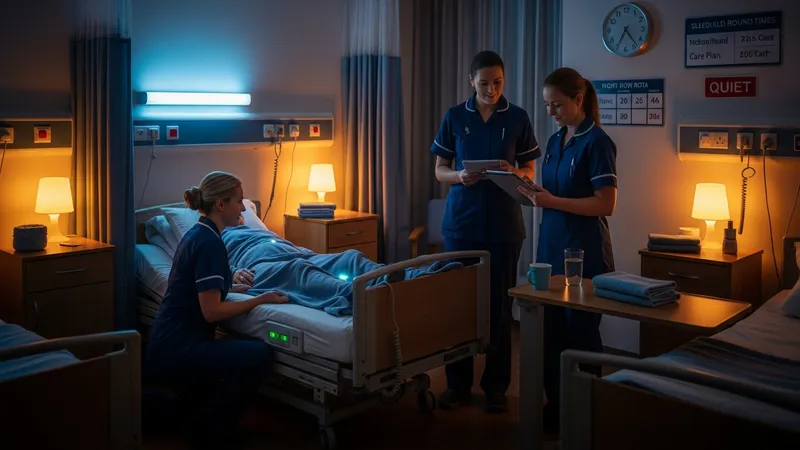
Time management on night shifts often requires prioritising urgent needs while preserving residents’ sleep where possible. Care assistants may use a schedule that designates times for routine checks, medication rounds if applicable, and task clusters to minimise repetitive interruptions. Prioritisation typically depends on individual care plans and risk levels; for instance, a resident with a high fall risk may have more frequent checks than one with stable nocturnal routines. Staff may also need to allocate time for documentation, equipment checks, and brief team communications without compromising direct care.
Supporting patients overnight involves both practical assistance and approaches to promote rest and comfort. Practical tasks can include assistance with toileting, adjustments for comfort, offering small amounts of fluid in line with care plans, and repositioning to reduce pressure risk. Non-pharmacological strategies for sleep disturbance, such as dimming lights, reducing noise, and using calming communication, may be applied according to individual preferences. Assistive devices like low beds, pressure-relief mattresses, or bed sensors may support safer overnight care and can be part of a person’s agreed care plan.
Considerations for managing time also include planning for likely interruptions and building contingency into the shift schedule. For example, allowing buffer time after medication rounds or scheduled checks can accommodate unexpected needs without cascading delays. Where digital logging is used, quick structured entries can reduce the time spent on paperwork. Staff well-being is another factor: reasonable rest breaks and handover overlap can help maintain focus and accuracy during overnight duties. These considerations often form part of workforce planning in care settings.
In practice, balancing immediate responses with preventative measures can improve overnight outcomes for people in care. Clear care plans, accessible assistive equipment, and structured observation protocols help staff allocate time effectively. Regular review of night routines, informed by documentation and incident reports, may lead to adjustments that better match resident needs. Continued attention to time management, communication, and individualized support aims to maintain safety and dignity for residents during overnight hours.