
Visa pathways that permit temporary agricultural work in Australia cover a range of arrangements managed by federal agencies and cooperating employers. These pathways define who may be eligible, the kinds of work allowed, and the duration of permitted stay. Distinct visa streams may focus on youth exchange, short‑term specialist roles, employer‑sponsored skilled work, or seasonal labour programs coordinated with partner countries. Each stream typically establishes criteria for age, skill level, sponsorship or nomination, health and character checks, and specific documentation for the type of agricultural activity concerned.
Key elements that shape eligibility for these agricultural work streams often include nationality or residence status, whether the person meets age thresholds, the presence of a qualifying sponsor or employer, and any required skills assessments or certificates. Some streams are intended for young travellers who can combine travel and temporary field work, while others are intended for workers in defined occupations with employer nomination. Seasonal schemes may involve placement through authorised providers or bilateral agreements and can carry additional conditions such as regional work requirements or minimum hours.
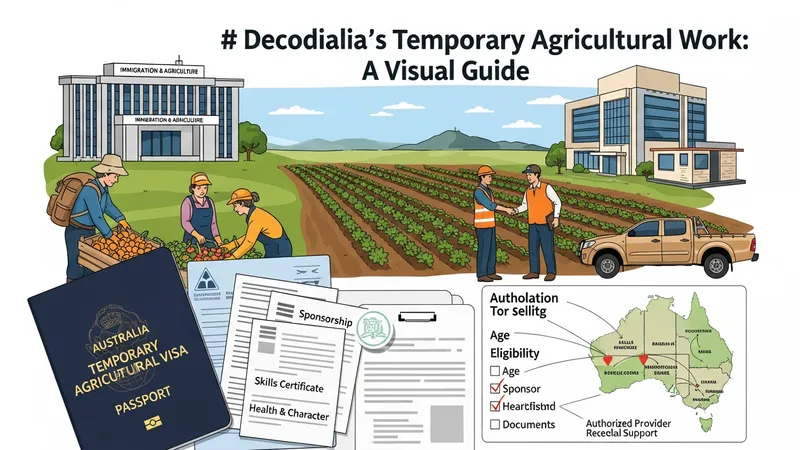
Different visa streams may impose age thresholds that affect eligibility. Working Holiday and Work and Holiday visas commonly set an upper age limit that may vary by nationality; applicants often need to be in their late teens to early thirties, with some countries allowing up to 35. Other employer‑sponsored subclasses do not use an upper age limit in the same way but focus on occupation lists and skill levels. Age limits may also interact with rules for secondary applications or extensions, and some seasonal programs define participant cohorts by bilateral agreements with sending countries.
Skill and qualification requirements vary across pathways and may include formal qualifications, trade certificates, or evidence of experience. For employer‑sponsored skilled visas, applicants typically need to demonstrate that their occupation appears on an appropriate list and may undergo a skills assessment by a designated assessing authority. For short‑term or seasonal placements under specific programs, practical experience and employer references can play a larger role than formal credentials, though checks for relevant licences or safety training may still be required.
Documentation and administrative checks form a constant element across these streams. Common requirements include national identity documents, police clearance or character certificates, medical assessments where the period of stay or the applicant’s circumstances trigger health checks, and proof of any sponsorship or nomination. Where regional or industry‑specific conditions apply (for example, minimum hours, accommodation arrangements, or farm placement evidence), additional forms or declarations may be requested by the visa authority or designated program administrators.
Seasonal arrangements may include workplace safety, accommodation standards, and employer obligations that influence both eligibility and the practical aspects of participation. Employers or authorised providers often must register, demonstrate capacity to host workers, and comply with workplace relations and occupational health standards. Workers may need to meet specific on‑site training or induction requirements, and their entitlement to work rights and social protections can vary by visa type and program rules. These factors typically inform whether a visa holder can lawfully engage in particular agricultural tasks.
In summary, pathways that permit agricultural work in Australia encompass several visa categories, each with distinct eligibility elements such as age thresholds, skill requirements, sponsorship arrangements, and documentation checks. Understanding which stream aligns with an individual’s circumstances typically requires reviewing the specific criteria of the visa subclass or program. The next sections examine practical components and considerations in more detail.
Eligibility for agricultural work pathways in Australia commonly involves a combination of nationality‑based access, sponsor or employer support, and individual qualifications. For youth‑oriented visas, access is usually limited to citizens of specified countries and conditioned by age. Employer‑sponsored streams typically require an approved nomination from an employer who meets sponsor obligations and can demonstrate a genuine need for the role. Seasonal programs administered under bilateral arrangements may specify recruitment channels and selection criteria set by intergovernmental agreements or authorised providers, which applicants should review.
Character and health assessments are routine components of eligibility and may be triggered by intended length of stay, previous travel history, or specific visa policy. Police certificates from countries of residence and medical checks for infectious diseases or significant health conditions can be required. These checks are typically used to determine whether grant conditions can be met over the visa period. Applicants may also need to disclose prior visa refusals or cancellations, as such history can affect eligibility under certain streams.
Capacity to meet financial and accommodation expectations can also influence eligibility in practice, though not all visa types impose formal funds tests. Youth travel visas may require evidence of sufficient funds for initial stay or onward travel, while employers in sponsor schemes may be expected to assist with accommodation arrangements or demonstrate the capacity to provide appropriate living conditions for seasonal workers. These practical factors often inform whether a candidate is suitable for placement under a particular program.
Processing times and document verification can affect the practical timeline for meeting eligibility requirements. The time needed to obtain police certificates, complete skills assessments, or secure employer nominations may vary by country and assessing body. Some applicants may choose to compile documents in advance to reduce delays, and prospective sponsors or authorised providers may prepare their registration elements in parallel. These administrative considerations often shape the pathway an applicant follows.
Age thresholds differ markedly across Australian visa streams that permit agricultural work. Working Holiday (subclass 417) and Work and Holiday (subclass 462) visas commonly set an upper age limit—often around 30 years, with some nationalities permitted up to 35—so age eligibility can be decisive for young people planning seasonal field work. In contrast, employer‑sponsored skilled visas generally do not rely on strict upper age cutoffs but consider skills, experience, and occupation lists. These distinctions mean applicants may select different pathways based on age and the nature of the planned work.
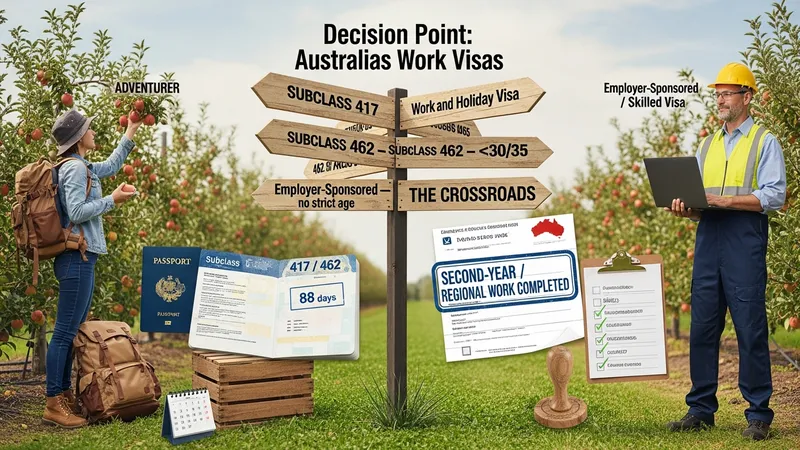
Some age‑restricted pathways also offer second or subsequent visa grants conditional on completing specified periods of eligible regional or agricultural work. For example, completing a defined period of regional field work may enable a return visa or a second‑year visa extension under certain youth visa frameworks. The specific required duration and eligible activities are determined by policy and may vary over time, so understanding the current requirements for hours worked, types of tasks, and locations is important when planning.
Age interacts with other eligibility criteria such as health, character, and financial prerequisites; older applicants may face heightened scrutiny on some streams if health or previous migration history raises concerns. Conversely, younger applicants may have fewer obligations related to formal qualifications but may need to meet stricter nationality or funding requirements. These intersections between age and other criteria typically influence which route is practicable.
When assessing options, applicants often consider how age limits affect future mobility within the Australian visa system. For example, youth visas that offer work‑based extensions may be used strategically by some individuals to secure additional lawful work time in regional areas, while employer‑sponsored routes may provide a more direct path for those with recognised skills irrespective of age. These considerations are procedural rather than advisory and should be matched to the applicant’s circumstances.
Skill requirements for agricultural roles can range from formal trade qualifications for specialised technical roles to documented experience for general farm work. Employer‑sponsored skilled visas often require occupations to be on an authorised list and may demand an independent skills assessment from a designated assessing authority. These assessments typically evaluate qualifications, employment history, and the relevance of prior training. For seasonal programs, practical experience, employer references, and industry references may be more influential than formal certificates.
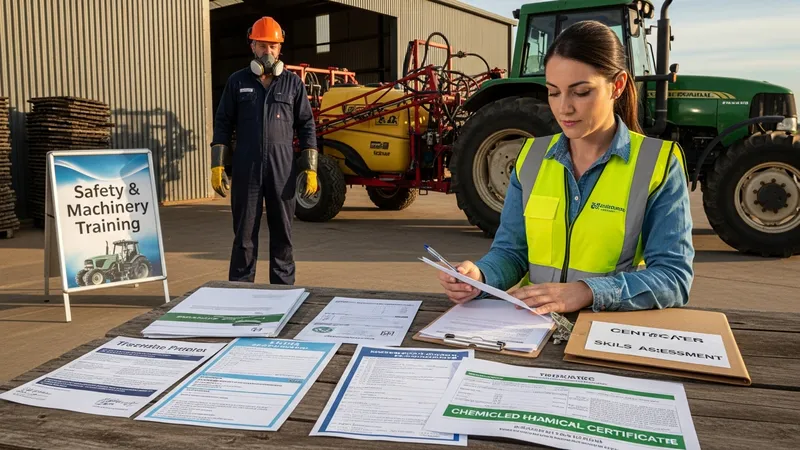
Different pathways may also impose competency standards such as licence requirements for machinery operation, chemical handling certificates, or safety training in areas like manual handling and first aid. Where such credentials are necessary, applicants commonly need to supply verifiable evidence or obtain training either before arrival or through locally recognised providers. Employers or authorised program coordinators may detail these requirements during recruitment or nomination stages, and meeting them is often a condition of lawful placement.
Skills assessments and evidence of work history can involve verifying documents from multiple countries, which may extend processing times. Translated documents, certified copies, and employer contact details are frequently requested. Applicants may also need to demonstrate recent practice in the occupation to satisfy an assessing body that their skills remain current. These procedural elements often determine how quickly an applicant can proceed from nomination to placement.
Where a pathway uses occupation lists, periodic updates to those lists can change which agricultural roles are acceptable for skilled nomination. This means a role that qualified previously may require a different route at a later date. Stakeholders often monitor official updates to occupation lists and guidance material because changes can affect the required evidence and the selection between youth, seasonal, or employer‑sponsored pathways for specific agricultural positions.
Seasonal arrangements in agriculture commonly rely on employer registration, authorised provider oversight, or bilateral program management. Employers may need to supply documentation demonstrating legal business operations, capacity to provide safe accommodation, and adherence to workplace relations and wage standards. For program placements, authorised providers and government agencies typically require records of recruitment procedures, employment contracts that reflect program conditions, and evidence of compliance with health and safety regulations.
From the worker perspective, documentation that often matters includes proof of identity, references from prior agricultural employers, evidence of relevant training or licences, and any health or character certificates required by the visa stream. Where seasonal programs require placement through an authorised channel, applicants may need to supply documents to the provider for vetting before a nomination or placement is issued. Timeliness and completeness of documentation can influence placement outcomes.
Workplace protections and industrial standards play a role in how seasonal placements are structured. Employers and program administrators typically must comply with national workplace laws regarding minimum standards of pay, record keeping, and work conditions. Workers under different visa categories may have differing entitlements and obligations, so understanding the documentation that evidences lawful employment and employer compliance is often central to a successful placement.
Practical considerations that often influence program selection include travel logistics, access to local services in regional areas, and arrangements for resolving disputes or seeking assistance. Sponsors or authorised providers may offer orientation or support resources, and prospective participants often consider how their visa subclass interacts with access to services and dispute-resolution channels. These operational details are commonly assessed as part of both employer and worker readiness for seasonal agricultural placements.